
- Published on
Russian Culture in Belgrade
- Authors

- Name
- Local Expert
Visitors go to Serbia for Serbian culture, but there is now a special deal: buy 1 culture, get 1 free. Russian culture is now everywhere in Belgrade and Novi Sad. Now you can find cafes with menus in a different Cyrillic, bookshops stacked with Russian literature, and raf on cafe menus. A large number of Russians have moved to Serbia in recent years, bringing a lot of things that were not available in Serbia before.
This list is a useful guide for anyone planning to explore Serbia with a focus on learning more about Russian culture.
Russian Cafes
Dozens of new cafes have opened in Belgrade in recent years, and the Russian spots have a noticeably different vibe from Serbian cafes: high quality interior design, modern interiors, no smoking allowed inside, and raf coffee on the menu. Listing all of these cafes would take too long, so here are the best ones.
Sonder
Sonder has 3 locations, all of which are among the largest cafes in Belgrade (Russian or otherwise). Sonder focuses on meals more than pastries, and most locations have limited seating for anyone planning to work on a laptop. If you want to see what a Russian interpretation of a modern Belgrade cafe looks like, start here.
Sloj
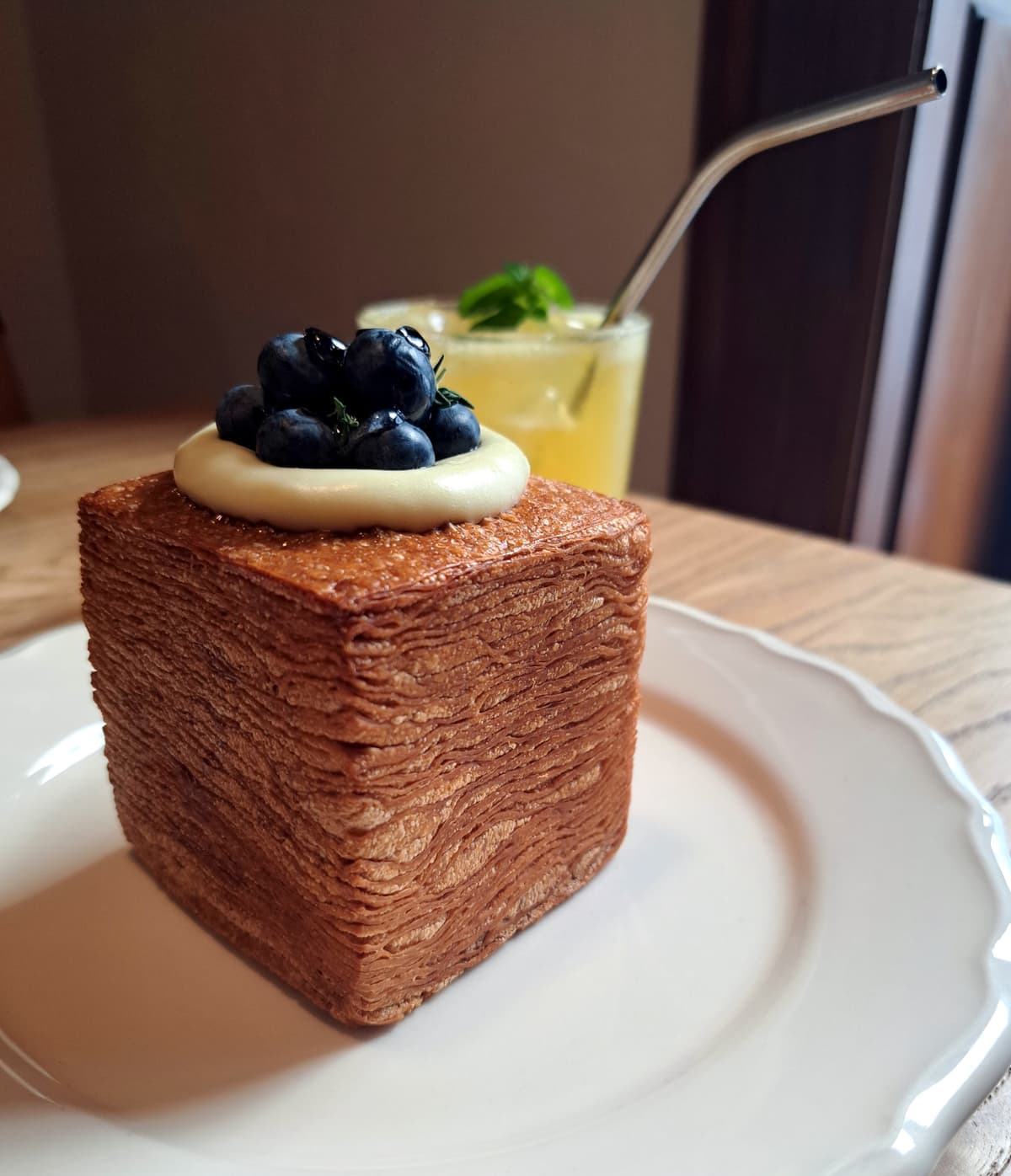
Sloj is a Russian-owned bakery with pastries so photogenic they feel better suited for Instagram than your plate. Like Sonder, they have 3 locations in Belgrade, but the focus here is on pastries rather than meals. Sloj also has many locations in St Petersburg, so if you've been there, the branding might look familiar.
June
June has the best raf coffee in Belgrade. And as some people joke, the closer that you go to the Yandex office, the higher the quality of the raf coffee.
Russian Food
Getting more specific, there are common Russian dishes that are now widely available in Serbia.
Raf
Not a food, but no list of Russian culinary contributions to Belgrade is complete without mentioning raf coffee. This creamy, vanilla-infused espresso drink is the only coffee drink invented in the Soviet Union. If you've never had one, order it at any of the cafes listed above.
Oreshki
These nut-shaped waffle cookies, filled with caramelized condensed milk (often called "oreshki" meaning "little nuts"), are a popular Russian treat.
Medovik
Medovik is a layered honey cake that somehow manages to be both rich and light at the same time. It's one of those desserts that Russians grow up with and everyone else discovers too late in life.
Syrniki
Syrniki are thick, fried cottage cheese pancakes. They're a Russian breakfast staple, usually served with sour cream, jam, or honey. Kofilin is an easy place to try these.
Pelmeni
Pelmeni are Russian dumplings filled with meat, and they're serious business in Russian cuisine. I can recommend URA! Russian dumplings, which is dedicated entirely to pelmeni with a variety of fillings. There is also a sweet variant called vareniki that can be a dessert, filled with sweet cheese, cherries, or other fillings.
Borscht
Borscht is a dark red beet soup that everyone has heard of. The real thing is far more complex than its reputation suggests: a deep red broth with meat, cabbage, potatoes, and a dollop of sour cream on top.
Blini
Blini are thin Russian pancakes, similar to French crêpes but with a slightly different texture. They can be served sweet (with jam, honey, or condensed milk) or savory (with caviar, smoked salmon, or meat fillings).
Caviar
Russian caviar sounds luxurious and expensive, and it is. You won't find it on a cafe menu, but Russian grocery stores like Berezka stock it. Red caviar is much more affordable than black caviar, but luckily many people think red caviar tastes better.
Georgian food
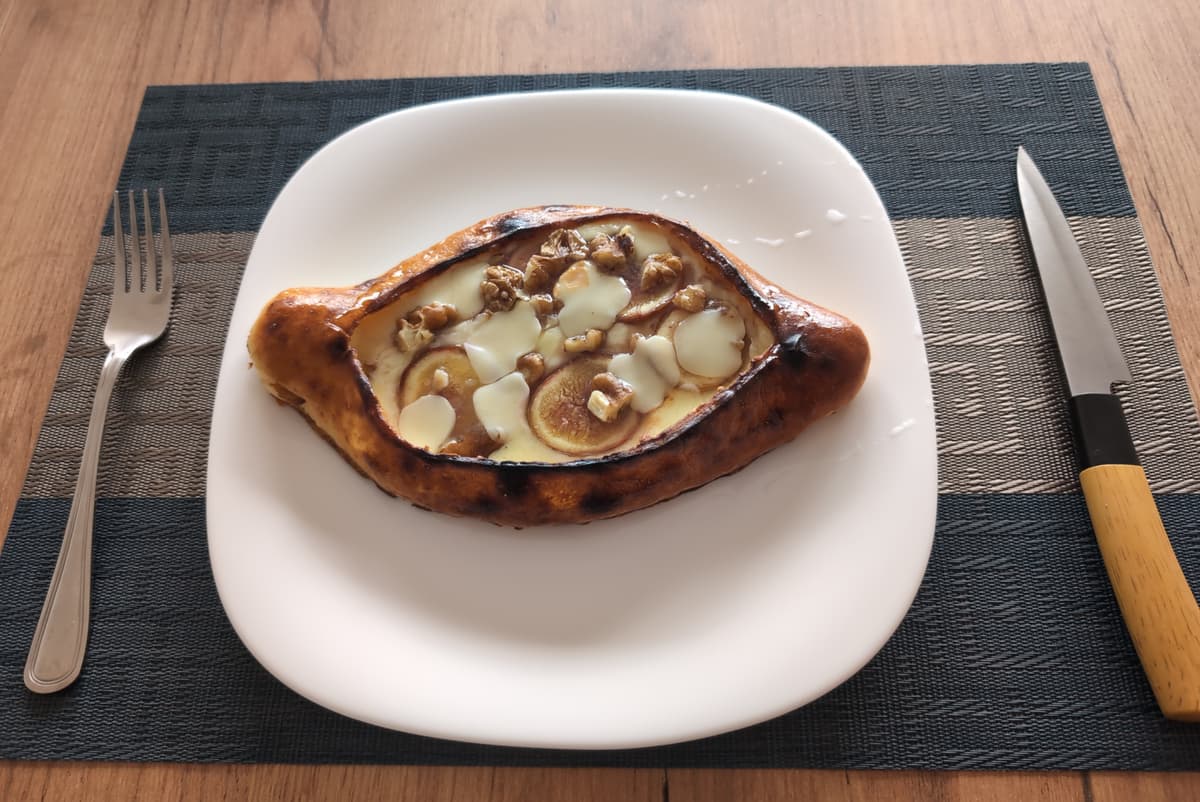
While not strictly Russian, Georgian cuisine was widely available across the Soviet Union and remains popular among Russians in Belgrade. Check out the Georgian food guide for a comprehensive list of khachapuri and khinkali spots.
Russian Bookshops and Culture
Bela Vrana
Described as the largest Russian-language bookshop in the Balkans, Bela Vrana carries over 15,000 books for adults and children. They also host regular events and lectures.
Dobar Dabar
A cozy bookshop and cafe in Vračar that stocks Russian books alongside Serbian and English titles.
Auditoria
Located in Dorćol, Auditoria is part bookstore, part cultural center, and part cafe.
Utopia
An independent bookshop and publishing house specializing in avant-garde art and rebellious literature.
Russian Shops
Mix Markt
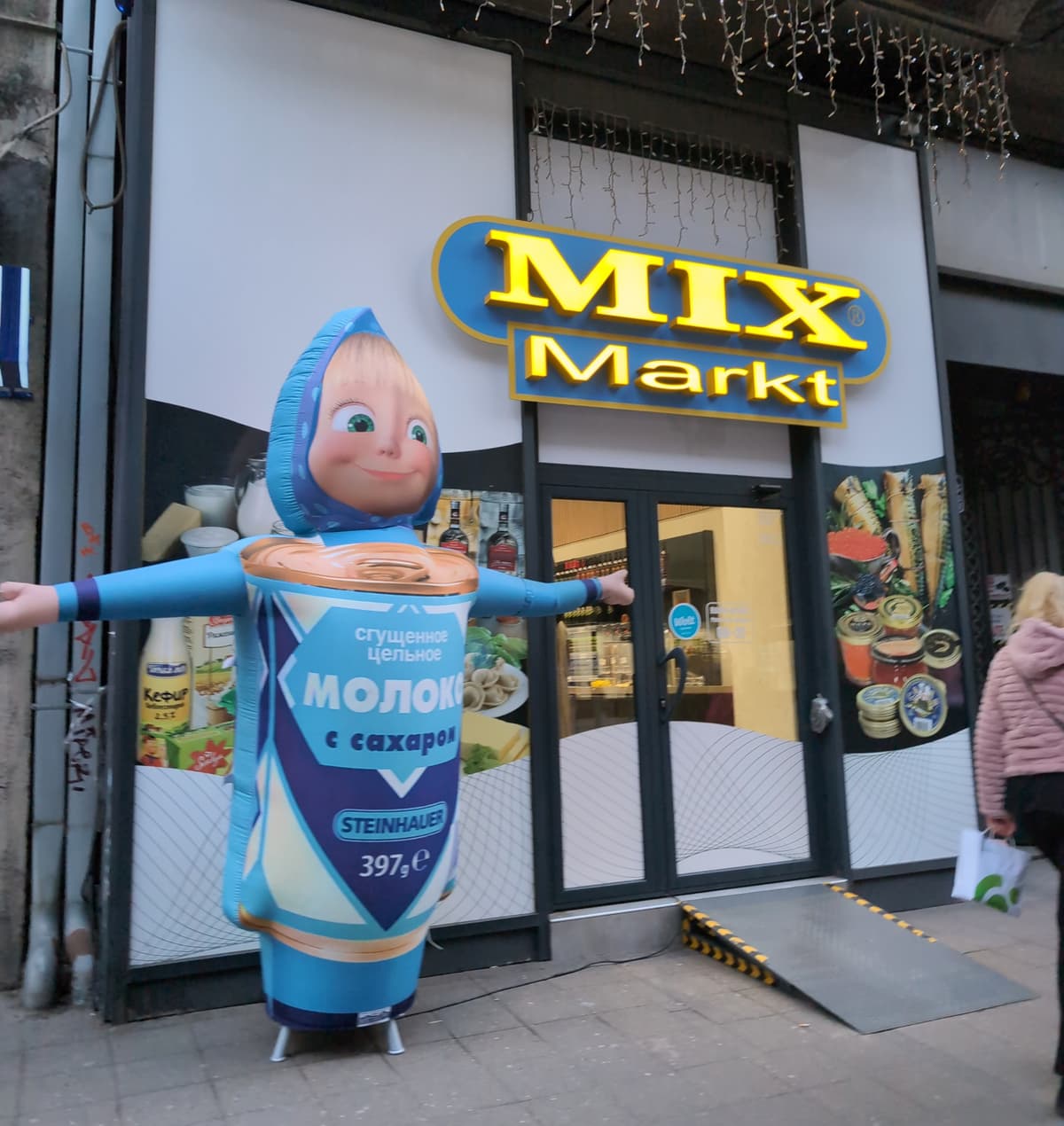
This Russian supermarket chain (which is actually from Germany) stocks products typically found in Russia, Ukraine, and Belarus that are hard or impossible to find elsewhere. Some items may be overpriced, but it is worth visiting to explore the different products on offer.
Berezka
This Russian grocery store has several locations, including near the Yandex office, and has a big range of imported Russian food products.
Konfeta
A Russian sweets store near Kalenić market, offering a selection of confectionery products from Russia and Belarus including candies, biscuits, waffles, and chocolate.
Culture and Entertainment
Yandex Digital Technology Museum
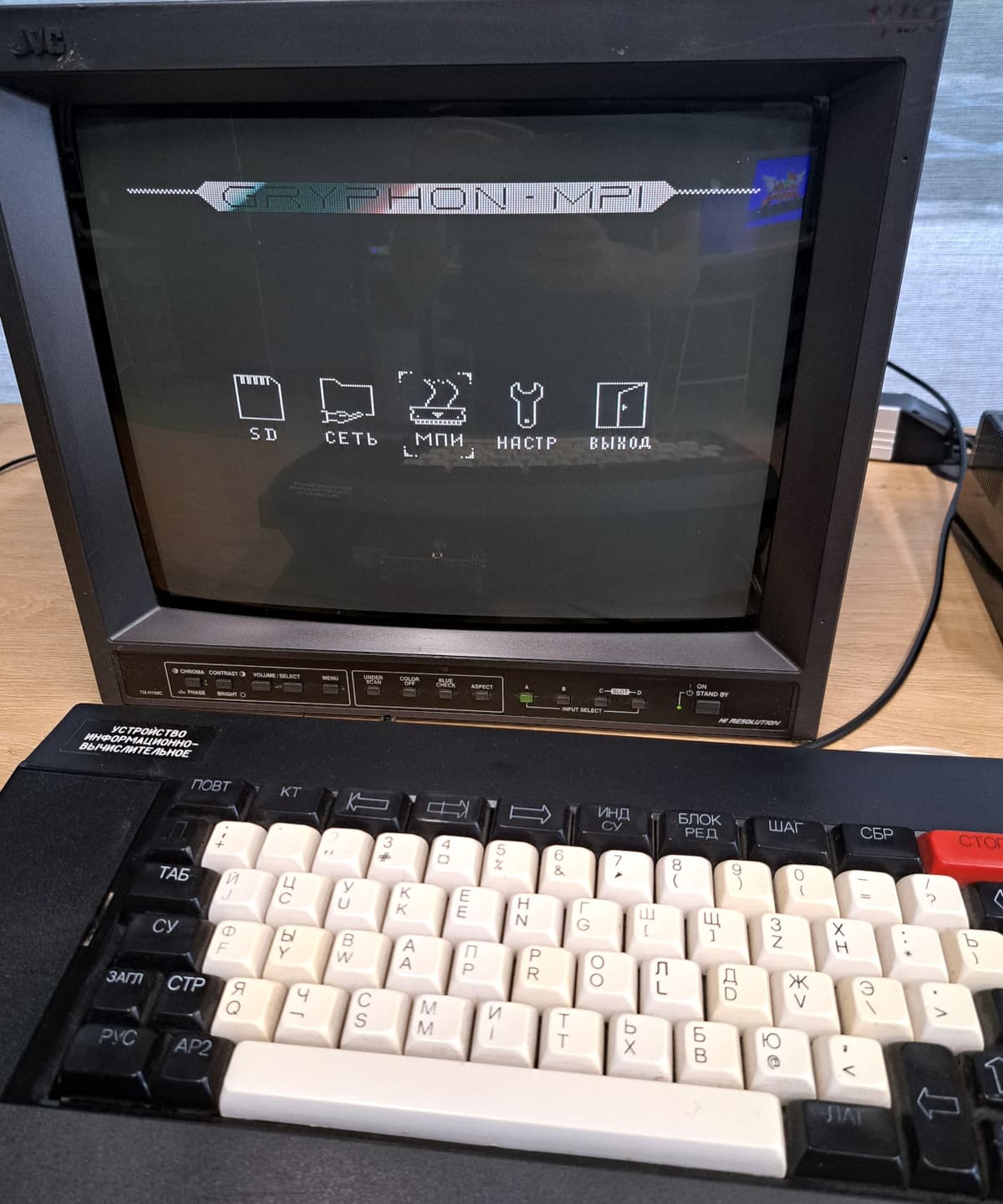
This museum contains a large collection of old computers, all in working condition and available for visitors to use. Most computers have old school games you can play. Free entry every day. You don't need to be a computer person to enjoy playing games on these old machines.
Ruski Dom
The Russian Center for Science and Culture (Русский дом) hosts regular cultural events, language courses, and exhibitions. Check their website for upcoming events.
Ballet
Ballet is to Russia what football is to Brazil: a national obsession that produces more world-class talent than seems reasonable for one country. If you get the chance, catch a performance of Swan Lake or another ballet at the National Theater. The production quality is excellent and tickets are far cheaper than comparable performances in Western Europe.
Russian Tea Culture
While Serbia has historically been a coffee-drinking nation, Russian-owned tea shops have brought more tea culture to Belgrade. In Serbia, people usually treat tea as a drink only for when you're sick. The full list of recommended tea places in Serbia is in this guide.
Socialist Architecture in New Belgrade
For those interested in the architectural ties between the Soviet era and Yugoslavian history, a walk around New Belgrade's brutalist and socialist-era buildings offers a fascinating perspective. The blocks of New Belgrade were heavily inspired by Soviet urban planning principles. For people not familiar with this style of massive concrete structure, the unpainted concrete can look harsh at first glance, but it requires a closer look to notice some of the thoughtful decisions in certain areas, such as the planning behind the award-winning Cerak Vinogradi.
Extra resources
There are many additional resources to see the perspective of Russians in Serbia. For example, this map of Russian cafes/businesses, this website with resources for Russians in Serbia, and even this article about cultural differences between Russia and Serbia. And lastly, by visiting Belgrade you get to see what Nizhny Novgorod looks like, because there are many similarities between the two cities.